4.7(518)
Ιταλία σε Μινιατούρα: Εισιτήριο Εισόδου
Italia in Miniatura
Από€25
6+ experiences in Ρίμινι, official tickets and instant confirmation.
Εμβληματικά μνημεία, μουσεία και γκαλερί - κλείστε εισιτήρια εισόδου εκ των προτέρων για να παρακάμψετε τη σειρά όπου υποστηρίζεται.
Italia in Miniatura
Από€25
Italia in Miniatura
Από€37.50
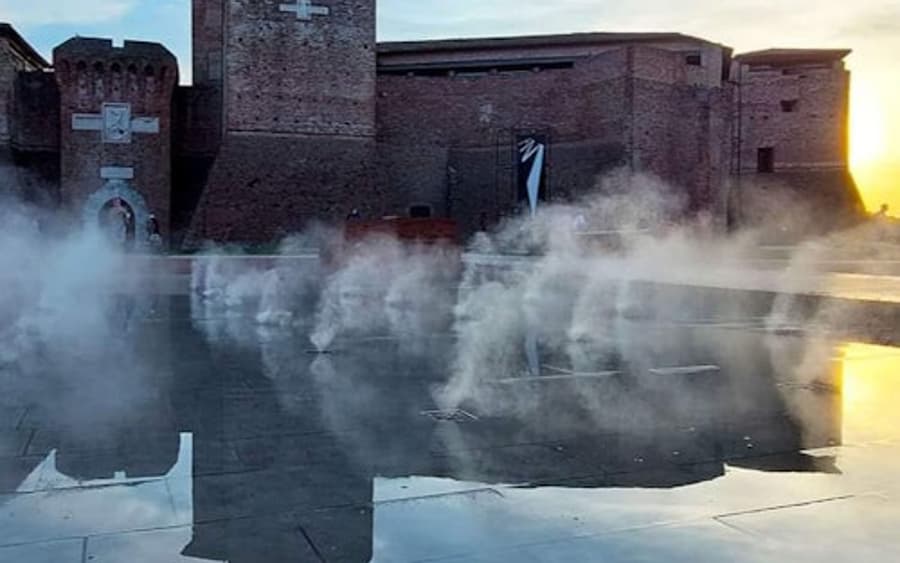
Fellini Museum
Από€10
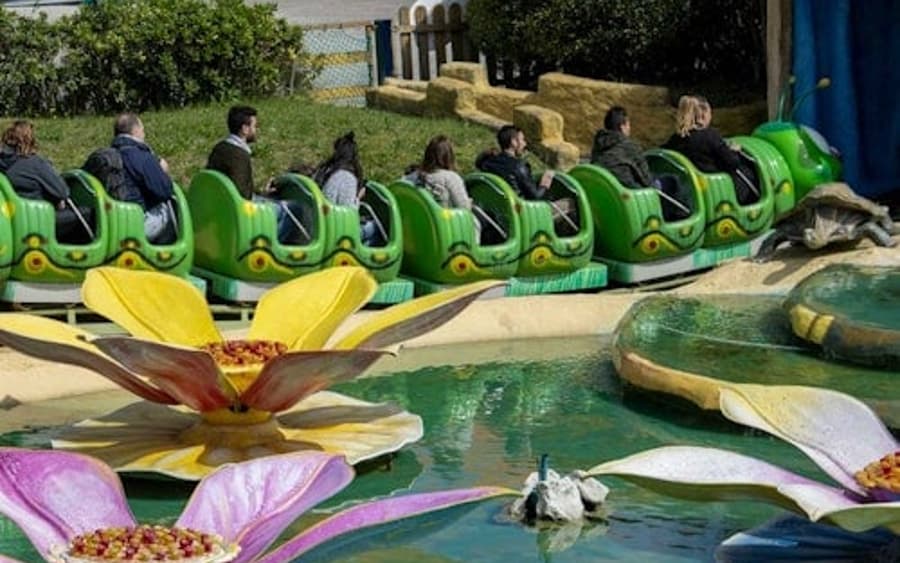
Fiabilandia
Από€26
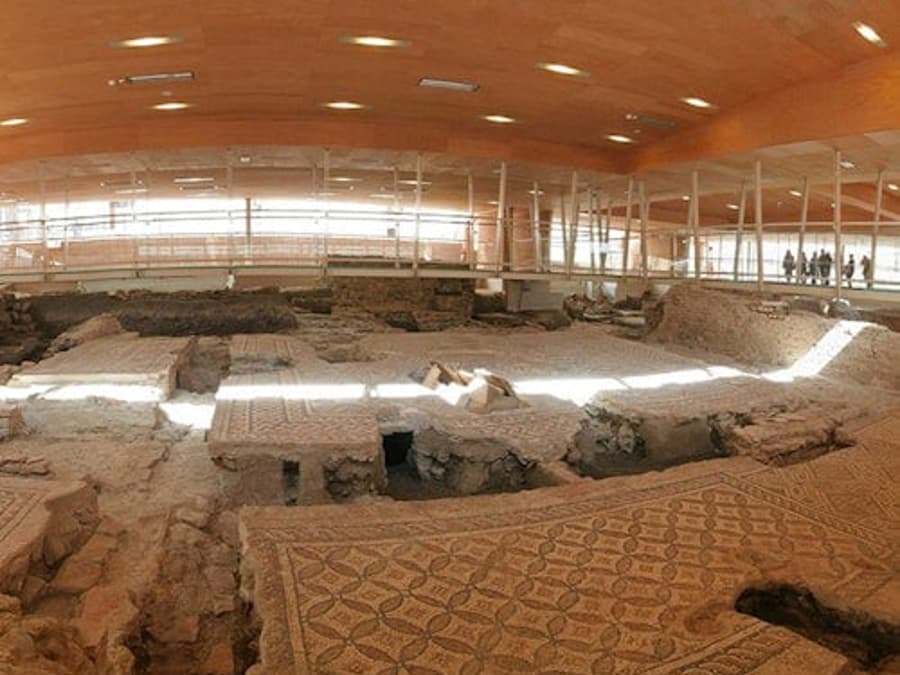
Rimini Attraction Passes
Από€14
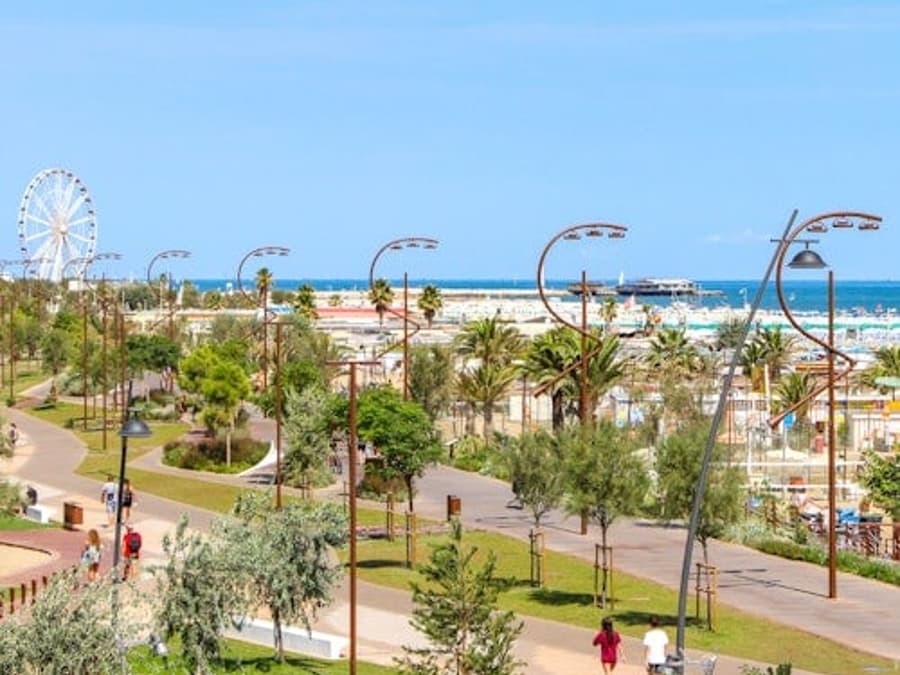
Rimini Attraction Passes
Από€29.90
Ημερολόγιο
Περιηγηθείτε ανά μήνα — τι συμβαίνει στο Ρίμινι αυτόν τον μήνα, τον επόμενο και μετά.
The more you save, the smarter your picks. We line up West End shows, hidden gems and top-rated experiences from what you love, ready to book in one go.
Επίσημα εισιτήρια από τον χώρο
Απευθείας από τον χώρο
Ασφαλής πληρωμή
Με την υποστήριξη της Stripe
Εγγύηση επιστροφής χρημάτων
Σε περίπτωση ακύρωσης της εκδήλωσής σας
Αποκλειστικές εκπτώσεις
Δωρεάν με τη συνδρομή tickadoo+
Ο οδηγός σας για το Ρίμινι
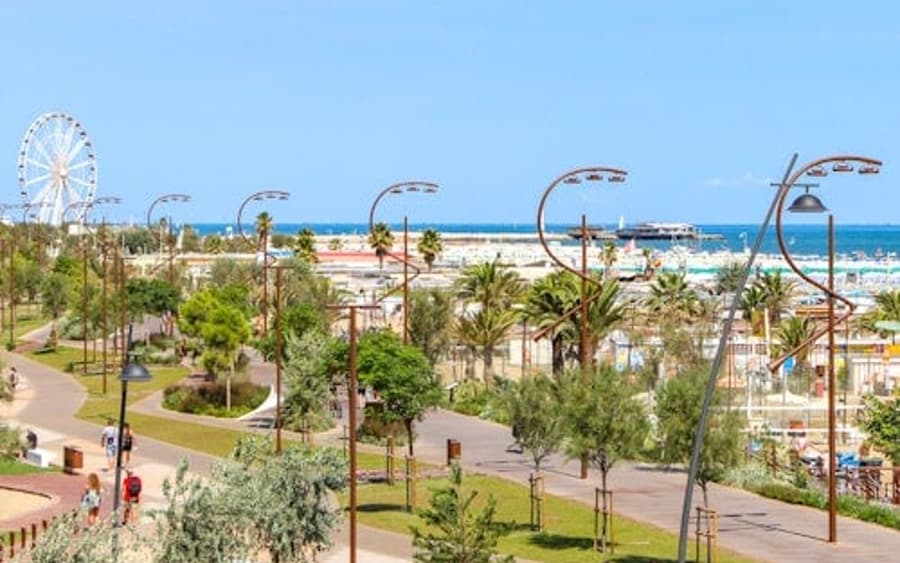
Rimini occupies a peculiar double life on the Adriatic coast of Emilia-Romagna. For much of the twentieth century it was synonymous with mass beach tourism, the long arc of sandy shoreline drawing millions of Italians and Europeans to its rows of sun loungers and beach clubs each summer. Yet the city predates that reputation by roughly two thousand years, and the Roman infrastructure that survives here is among the best-preserved anywhere in Italy. The Arch of Augustus, erected in 27 BC and still standing at the southern entrance to the old town, is the oldest Roman triumphal arch in existence. The Tiberius Bridge, completed in AD 21, still carries pedestrians across the Marecchia river. These are not reconstructions or fragments; they are the original stones, and that continuity gives Rimini a layered quality that its beach-resort image tends to obscure.
The old town sits inland from the shore, compact enough to cover on foot in an afternoon. The Tempio Malatestiano, a fifteenth-century church that Sigismondo Pandolfo Malatesta commissioned as a monument to himself and his court, is one of the earliest Renaissance buildings in northern Italy, its exterior designed by Leon Battista Alberti. Piazza Cavour, the civic heart of the centre, is framed by the Palazzo dell'Arengo and the Palazzo del Podestà, both medieval, and a fish market that has occupied the same loggia since the sixteenth century. The relationship between this historic core and the beach strip a kilometre or so to the east is one of the more interesting urban contrasts on the Italian coast.
Πριν την κράτηση
Απαντήσεις στις πιο συχνές ερωτήσεις σχετικά με την κράτηση εμπειριών στο Ρίμινι.
Από το blog του tickadoo
Επιλεγμένοι ταξιδιωτικοί οδηγοί, κριτικές παραστάσεων και προγράμματα — όλα δωρεάν, γραμμένα από τη συντακτική μας ομάδα.